It may have actually been my globe-trotting grandfather who coined the phrase: take twice as much money and half as many clothes. It’s certainly true of Japan where train luggage space is limited, anything you might need is available from familiar shops like Uniqlo or the cavernous Don Quixote megastores, and the luggage forwarding service is unparalleled. It’s still a primarily cash-based economy beyond the larger chains stores and restaurants, so don’t get caught short – a foreigner-friendly ATM may be miles away…
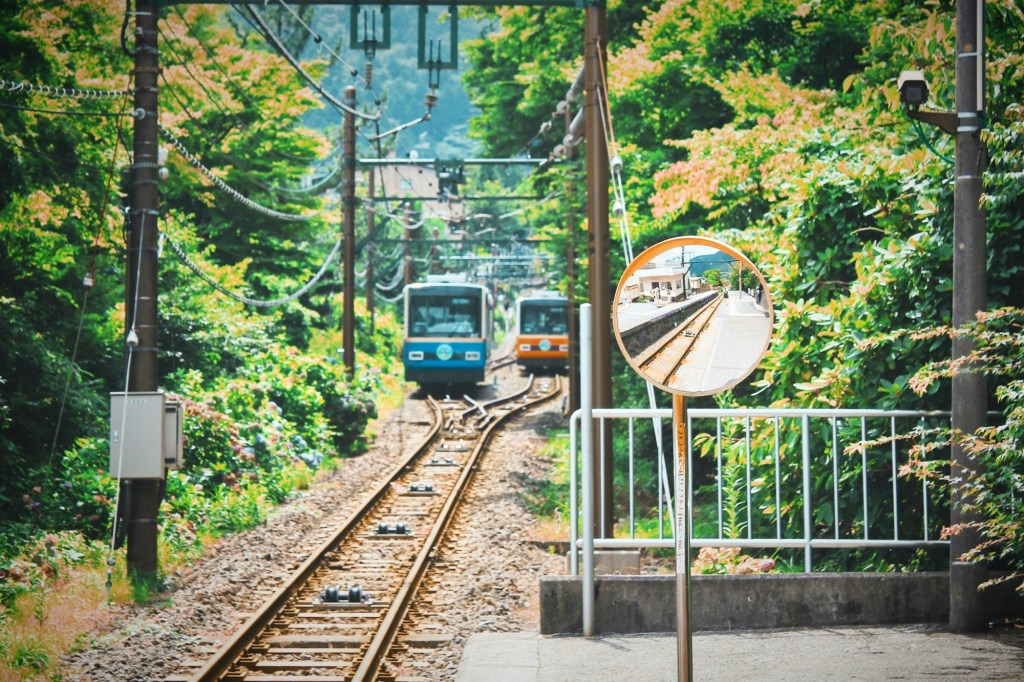
… this funicular railway runs 1,000m up into Hakone national park in the foothills of Mt Fuji west of Tokyo. It’s famous for its onsen (hot springs) and range of traditional ryokan (Japanese-style spa hotels), but best known to me as proof that some people don’t read my itineraries because they bring large suitcases then have to contend with a cable car and ropeway….
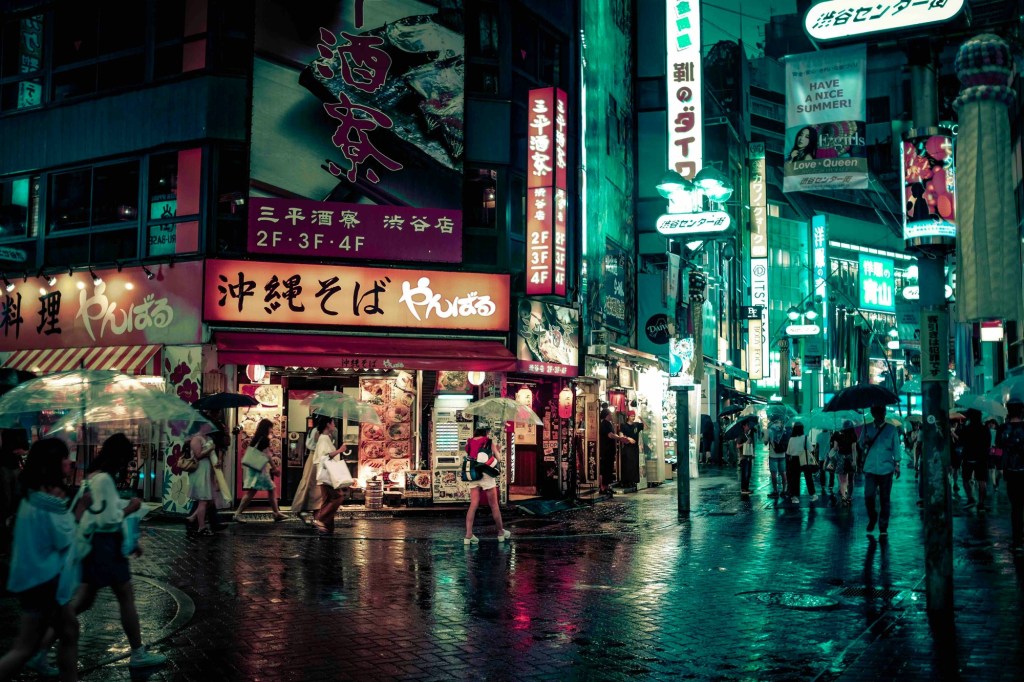
So if you asked me for ten points off the top of my head about how to travel in Japan, I’d say: small luggage and strategic luggage forwarding; plenty of cash; International Driving Permit (any car rental will be refused without one); allergy issues written in Japanese (Google translate works fine or I can provide for you); think multi-storey in the cities as there are different shops and restaurants on every floor of many downtown buildings. Sometimes it’s fun to just press an elevator button and see what happens…
…. Follow the rules. Especially no j-walking. Carry your passport as ID everywhere, because it is surprisingly easy to fall foul of the local koban (police station) for as little as drinking a can of beer in the wrong place and then you need to identify yourself or face a heavy fine. I’ve managed to talk my way out of such situations using my most humble Japanese, but the law can be rather peremptory with visitors at times.
Know where you are staying and have the address handy in case you become slightly discombobulated! Sounds obvious, but a lot of city hotels have very similar names (there’s four APA hotels within a stone’s throw of Kyoto station). Be aware of touts, scammers and pickpockets particularly at night – Japan’s cities are not quite the miraculously safe havens they used to be…
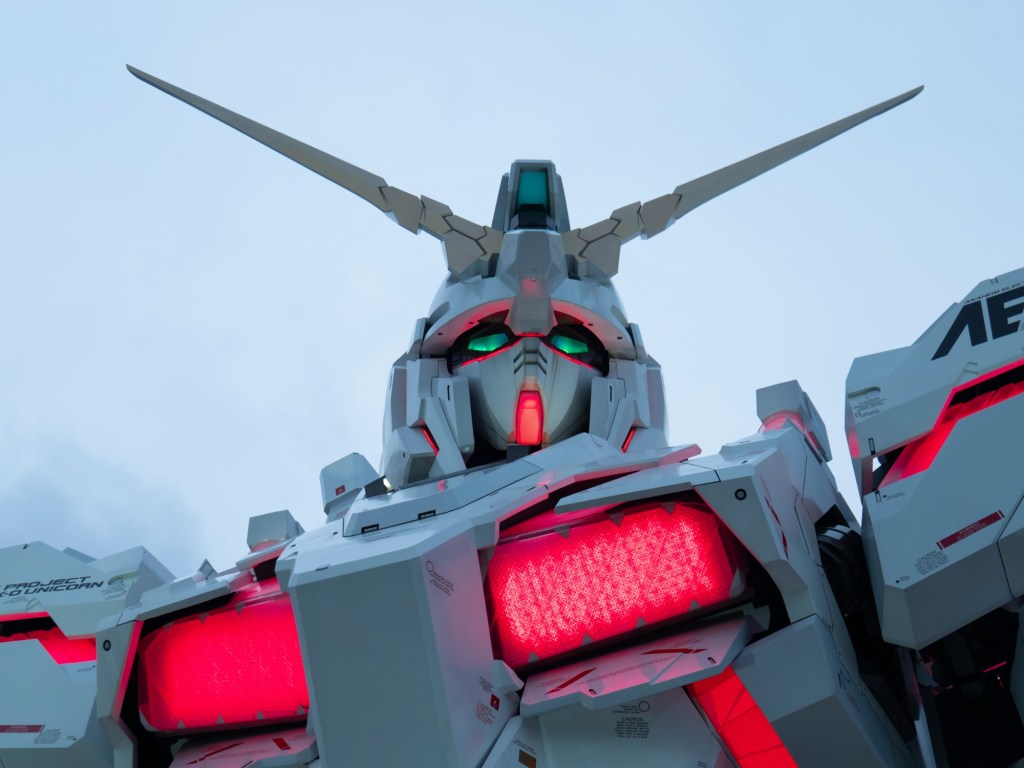
… and last but not least, learn sumimasen (excuse me), gomen (sorry), doko desu ka? (where is it) and kanpai! (cheers). It’s also well worth knowing your favourite Japanese movie or anime name in Japanese as it can be a great conversation starter with Japanese people of all ages. All the travelling tips you need will be in the detailed itinerary and the unlimited follow-up support that I provide after the consultation.
 JapanMan