This is going to sound so middle-aged and middle-class, but for pete’s sake don’t join the gangan brigade. This is the onomatopoeic word the Japanese use to describe the intrusive noise of speakerphones and suchlike on public transport, and nobody wants to be that person.
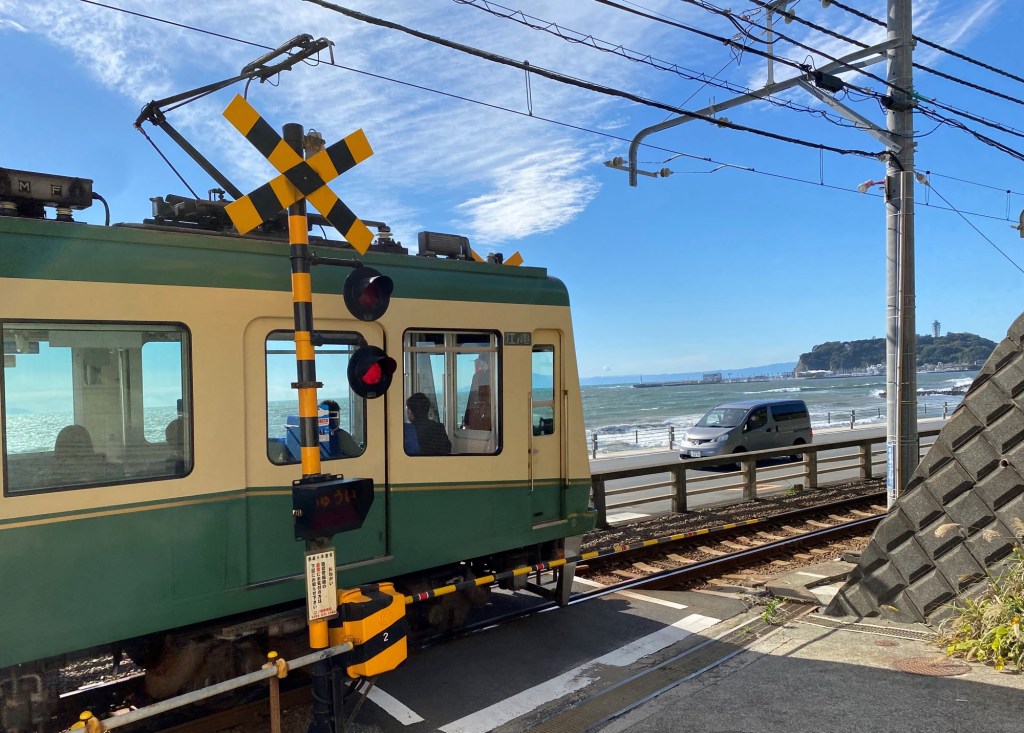
When you board a local train like the Kamakura to Enoshima island Enoden line (pictured above), the way to pay is by Pasmo or SUICA card – like the London Oyster card and easily obtainable. These are the kind of fine details that I will provide in your itinerary.
The Shinkansen (bullet train) and most central Japan intercity trains can now be booked online (with seats bookable where applicable 30 days in advance), which does save money against a Japan Rail Pass most of the time – I will crunch those numbers for you. These trains stop with ridiculous precision at platforms that have the carriage numbers inked onto the platforms so everyone can line up politely and proceed with ultimate Japanese decorum…
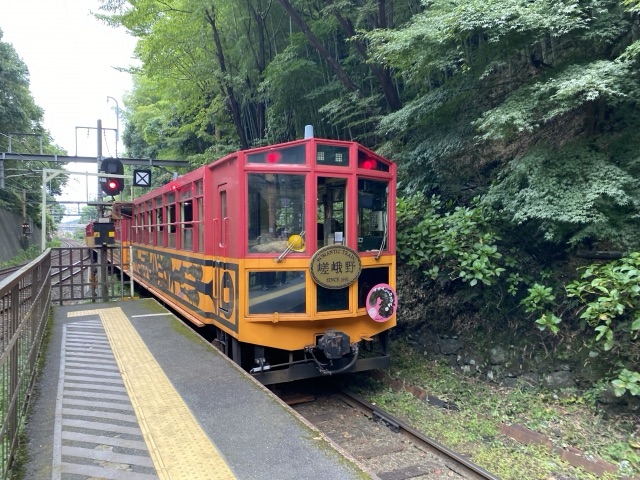
As you may well have heard, Luggage is a hassle on Japanese trains. There are no luggage storage racks at the end of carriages. The overhead bins don’t take very large cases. The art of travel in Japan is to travel light, book hotels with self-service laundry if you like, and make use of the takuhaibin luggage forwarding service. I will explain all as part of the service I provide.
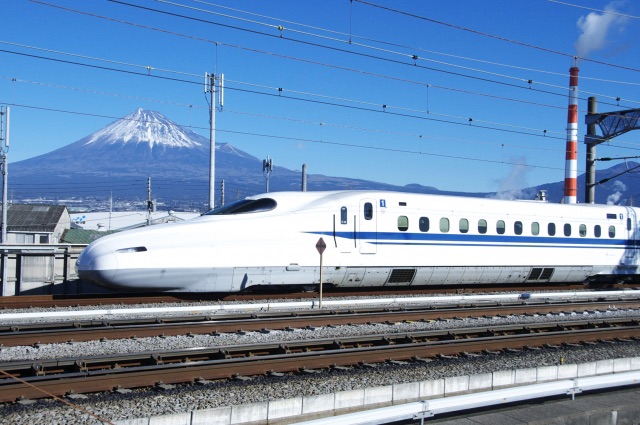
Beyond that, it’s mostly a case of sitting back, maybe buying a beautifully presented and invariably delicious eki-ben (station lunchbox) and enjoying the views from what has to be the best train network in the world.
 JapanMan